
Modern commercial spaces are expected to deliver far more than simple functionality. Offices, retail stores, restaurants, hotels, and public venues now rely heavily on interior design to improve customer experience, employee productivity, and overall operational efficiency. As a result, demand for experienced commercial carpenters in birmingham has increased significantly across a range of industries seeking high-quality interior construction and tailored woodwork solutions.
Businesses are becoming more selective about how their interiors are planned and built. From custom reception desks and fitted storage systems to wall panelling and bespoke counters, commercial carpentry plays an important role in shaping practical and visually appealing environments. Well-designed interiors can improve workflow, maximise available space, and create a stronger sense of professionalism within a business setting.
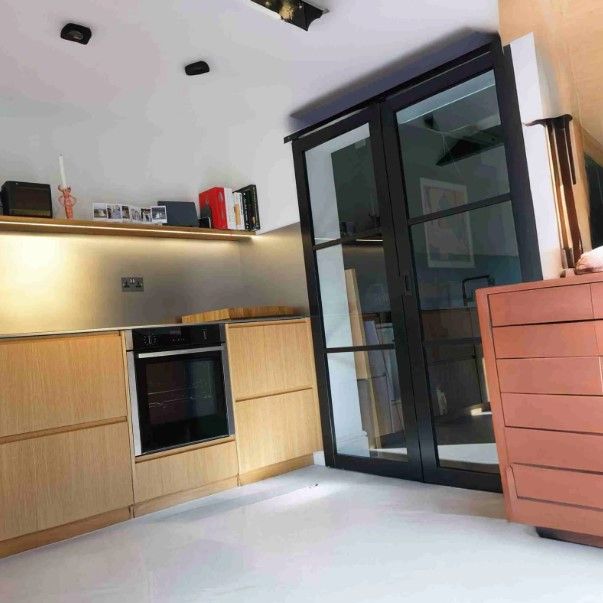
Across Birmingham, continued commercial development and property refurbishment projects are contributing to growing interest in specialist carpentry services. As more organisations invest in improving their premises, skilled craftsmanship has become an essential part of modern commercial design.
The Growing Importance of Interior Fit-Outs
Commercial interiors have evolved considerably over recent years. Businesses no longer focus solely on appearance; they now prioritise functionality, flexibility, and long-term usability. Interior fit-outs are expected to support both operational requirements and brand identity while remaining durable enough for everyday commercial use.
Carpentry work forms a central part of many commercial fit-out projects. Custom-built furniture, partition walls, storage systems, counters, and display installations are frequently designed specifically for the dimensions and layout of a property. This tailored approach helps businesses use space more efficiently while maintaining a cohesive interior appearance.
The rising demand for commercial carpenters in birmingham reflects wider changes within the property and construction sector. Many companies are renovating existing spaces rather than relocating, which has increased the need for skilled trades capable of transforming outdated interiors into practical modern environments.
Retail spaces, in particular, often require bespoke installations that improve customer movement and product presentation. Restaurants and hospitality venues also depend heavily on tailored joinery and interior woodwork to create comfortable and visually engaging environments.
Companies such as RRJ Design have worked on projects where custom carpentry solutions support both aesthetic goals and practical commercial requirements.
Why Bespoke Carpentry Improves Commercial Spaces
Standard furniture and generic fixtures rarely provide the flexibility needed in commercial environments. Businesses often operate within unique floor plans or older buildings where off-the-shelf solutions may not fit properly or maximise available space.
Bespoke carpentry allows interiors to be designed around the exact needs of the business. Storage systems can be integrated seamlessly into walls, reception counters can be tailored to improve customer interaction, and workspace layouts can be optimised for productivity.
One major advantage of custom carpentry is its ability to support branding and design consistency. Commercial interiors are often expected to reflect the identity and values of the business itself. Carefully designed woodwork, finishes, and layout choices can contribute to a stronger and more recognisable visual presence.
Durability is another important factor. Commercial properties experience high levels of daily use, meaning fixtures and fittings must withstand frequent wear over time. Professionally constructed carpentry solutions are often more durable than mass-produced alternatives, making them a practical long-term investment.
The continued growth of commercial carpenters in birmingham highlights the increasing value businesses place on customised interior solutions that balance functionality with visual quality.
Space Planning and Workplace Efficiency
Efficient space planning has become one of the most important considerations in commercial interior design. Businesses are seeking ways to improve workflow, reduce clutter, and create more adaptable environments without compromising comfort or appearance.
Carpentry plays an important role in achieving these goals because fitted installations can be designed specifically around operational requirements. Offices may require integrated storage units, meeting room panelling, or collaborative workstations. Retail environments often benefit from custom shelving systems and product displays that maximise floor space while improving accessibility.
As hybrid working arrangements continue to influence office design, many companies are rethinking how workspaces are structured. Flexible layouts, multi-purpose furniture, and integrated storage solutions are becoming increasingly common within modern offices.
Commercial carpentry also contributes to acoustic performance and privacy within shared environments. Partition walls, wood panelling, and fitted seating areas can help create quieter and more productive spaces while maintaining an open-plan appearance.
The increasing demand for commercial carpenters in birmingham demonstrates how businesses are prioritising efficient interior planning as part of broader workplace improvement strategies.
The Role of Craftsmanship in Commercial Construction
While modern manufacturing techniques have improved production efficiency, craftsmanship remains a key factor in high-quality commercial carpentry. Precision, attention to detail, and material knowledge are essential when creating installations designed for long-term use.
Commercial projects often involve complex layouts, strict deadlines, and detailed specifications. Skilled carpenters must work closely with designers, contractors, and property managers to ensure installations meet both practical and visual requirements.
Material selection is another important consideration. Different environments require different finishes and construction methods depending on levels of foot traffic, maintenance expectations, and overall design goals. Wood, laminate, engineered materials, glass, and metal may all be incorporated into commercial carpentry projects depending on the intended use of the space.
Many businesses now prefer interiors that combine durability with a more natural and welcoming aesthetic. Timber finishes, textured surfaces, and bespoke wood features can help commercial spaces feel more comfortable and visually appealing without reducing practicality.
Industry specialists, including RRJ Design, have observed growing interest in custom-built installations that combine craftsmanship with contemporary design principles.
Commercial Carpentry Across Different Industries
Commercial carpentry supports a wide range of sectors throughout Birmingham and surrounding areas. Each industry has different requirements depending on how spaces are used and the type of experience businesses aim to create for customers or employees.
Retail Spaces
Retail stores often rely on bespoke fixtures and display units to improve product presentation and customer flow. Shelving systems, counters, fitting rooms, and branded interior features are commonly designed specifically for the property layout.
Well-planned carpentry solutions can help retailers create more organised and visually engaging environments while maximising available display space.
Hospitality Venues
Restaurants, cafés, bars, and hotels frequently use customised woodwork to create atmosphere and support branding objectives. Seating areas, bars, decorative wall panelling, and reception desks are often designed to complement the venue’s identity and improve customer experience.
Durability is particularly important within hospitality settings due to high levels of daily usage and ongoing maintenance requirements.
Office Environments
Modern offices increasingly prioritise flexibility and employee wellbeing. Integrated storage, collaborative workstations, fitted meeting rooms, and breakout areas all contribute to more productive working environments.
Custom carpentry can also help offices maintain a professional appearance while supporting changing workplace requirements.
Healthcare and Public Buildings
Healthcare facilities and public sector buildings often require durable and practical installations capable of supporting accessibility, hygiene, and safety standards. Reception counters, waiting areas, fitted storage, and partition systems are commonly tailored to meet these operational needs.
The broad range of applications demonstrates why commercial carpenters in birmingham continue to play an important role across multiple industries.
Sustainability and Long-Term Design
Sustainability has become an increasingly important consideration within the construction and interiors sector. Businesses are paying closer attention to how materials are sourced, manufactured, and maintained over time.
Bespoke commercial carpentry can contribute to more sustainable interior design practices by reducing waste and supporting longer product lifespans. Instead of frequently replacing lower-quality fixtures, many organisations now prefer durable installations designed for extended use.
Refurbishment projects are also becoming more common as businesses seek to modernise existing properties rather than undertake complete redevelopment. Custom carpentry solutions can help older buildings adapt to contemporary commercial requirements while preserving structural character and reducing material waste.
Energy-efficient lighting integration, recyclable materials, and modular construction techniques are also influencing modern commercial interiors. Businesses increasingly value spaces that combine practicality with environmentally responsible design choices.
As sustainability continues to influence commercial property decisions, interest in tailored interior construction solutions is expected to grow further.
Choosing the Right Commercial Carpentry Approach
Successful commercial carpentry projects depend heavily on planning, communication, and a clear understanding of how the space will function. Businesses typically evaluate layout requirements, storage needs, branding considerations, and long-term maintenance expectations before beginning construction work.
A carefully planned approach helps ensure interiors remain practical as business operations evolve. Flexibility is especially important in workplaces where layouts may change over time due to staff growth or operational adjustments.
Attention to detail during the design stage can also improve user experience significantly. Features such as integrated cable management, hidden storage, acoustic panelling, and adaptable shelving systems contribute to more organised and efficient environments.
Professionals working within the sector, including RRJ Design, often emphasise the importance of balancing visual appeal with everyday usability when planning commercial interiors.
The Future of Commercial Carpentry
Commercial interiors are expected to continue evolving as businesses adapt to changing customer expectations, workplace trends, and sustainability priorities. Flexible workspaces, technology integration, and multi-functional layouts are likely to shape future design approaches across the sector.
Custom carpentry will remain important because businesses increasingly require interiors tailored to their operational needs rather than standardised solutions. As property owners continue investing in refurbishment and fit-out projects, demand for skilled commercial carpenters in birmingham is likely to remain strong.
Advances in manufacturing technology may improve efficiency and precision within the industry, but craftsmanship and careful design planning will continue to play a central role in successful commercial projects.
For businesses seeking practical, durable, and visually consistent interiors, commercial carpentry provides solutions that support both functionality and long-term value. As commercial spaces become more adaptable and experience-focused, the role of skilled carpentry within modern construction and interior design is expected to grow even further.